Part 3: Uplifting & Mood-Supporting Herbs
Holistic allies for low mood, emotional heaviness, and resilience
Disclaimer: This article is educational only and not medical advice. Herbs for mood support often interact with medications (especially antidepressants, birth control, blood thinners). Always consult a healthcare professional before use, particularly for depression, anxiety, or if pregnant/breastfeeding.
In Parts 1 and 2, we covered calming and sleep herbs. Now we explore 10 uplifting herbs traditionally used for low mood, fatigue, burnout, and emotional stagnation. These draw from herbalism, Ayurveda, TCM, and research on mood support.
We’ll cover:
- St. John’s Wort
- Saffron
- Rhodiola
- Ginseng (Panax/Siberian)
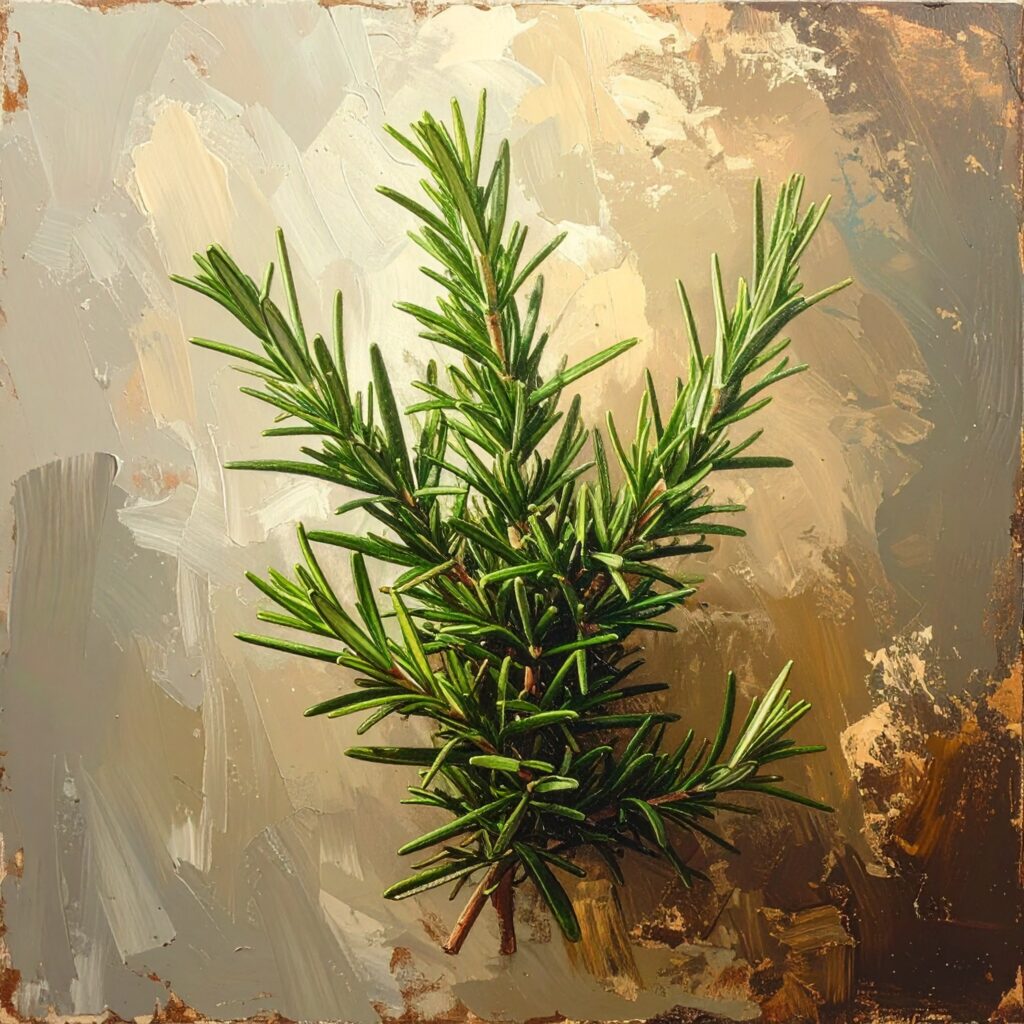
- Rosemary
- Ginkgo Biloba
- Holy Basil (Tulsi)
- Lemon Balm (crossover from Part 1)
- Ashwagandha (crossover)
- California Poppy (crossover)
1. St. John’s Wort (Hypericum perforatum)
Holistic Profile
One of the most researched herbal supports for mild to moderate depression, used for centuries in Europe. Studies show it may work comparably to SSRIs for some people, with fewer side effects.
Key Benefits:
- Reduces depressive symptoms (mood, sleep, appetite)
- May help seasonal affective disorder (SAD) and mild anxiety
- Supports nerve health and mild inflammation
How It Works:
Inhibits serotonin, norepinephrine, and dopamine reuptake, similar to antidepressants.
How to Use:
- Standardized capsules/tincture: 300mg 3x/day (0.3% hypericin) for 4+ weeks
- Tea: Milder effect; 1–2 tsp flowers, steep 10 min
Magical Correspondences:
Light-bringing, protection from gloom, banishing heaviness, solar energy.
Simple Spell/Ritual:
Take your dose in sunlight (if possible). Hold it to your heart and visualize golden light dissolving inner darkness: “Shadows lift. My inner light returns.”
Safety Notes:
Major interactions with antidepressants, birth control, blood thinners, etc. Photosensitivity common. Not for bipolar disorder (may trigger mania).
2. Saffron (Crocus sativus)
Holistic Profile
Prized in Persian and Ayurvedic medicine, saffron shows promise for mild-moderate depression in studies, often comparable to antidepressants.
Key Benefits:
- Improves mood, reduces depressive symptoms
- Antioxidant support for brain health
- May help PMS-related mood swings
How It Works:
Modulates serotonin and other neurotransmitters; anti-inflammatory.
How to Use:
- 15–30mg standardized extract daily (or 5–10 threads in tea/food)
- Culinary: Small amounts in rice, milk, or tea
Magical Correspondences:
Joy, prosperity, solar warmth, emotional radiance.
Simple Spell/Ritual:
Steep saffron threads in warm milk/rice. As color blooms, affirm: “Color and warmth return to my world.”
Safety Notes:
Safe in culinary doses; high doses expensive and may cause side effects. Avoid in pregnancy.
A Word from Our Sponsor: Apply For A Fast Loan
3. Rhodiola (Rhodiola rosea)
Holistic Profile
Arctic adaptogen used in Russia/Scandinavia for stress-related fatigue and low mood; supports mental stamina.
Key Benefits:
- Reduces burnout, mental fog, mild depression
- Boosts energy without jitters
- Improves focus and resilience
How It Works:
Balances cortisol, enhances serotonin/dopamine.
How to Use:
- Standardized extract (3% rosavins): 200–600mg/day, morning
Magical Correspondences:
Endurance, mental clarity, rising above challenges.
Simple Spell/Ritual:
Morning dose + deep breath: “I rise with steady fire through my day.”
Safety Notes:
Generally safe; may cause mild stimulation. Cycle use (5 days on/2 off).
4. Ginseng (Panax/Siberian) (Panax ginseng / Eleutherococcus senticosus)
Holistic Profile
Korean (Panax) and Siberian ginseng energize low motivation and fatigue; used in TCM for “qi deficiency”.
Key Benefits:
- Boosts energy, mood, cognitive function
- Reduces stress-fatigue
- Supports libido/motivation
How It Works:
Adaptogenic; modulates stress hormones.
How to Use:
- Tincture/capsules: 200–400mg standardized extract, morning
Magical Correspondences:
Vitality, courage, inner fire reignition.
Simple Spell/Ritual:
Hold ginseng root/extract: “My inner fire reignites; motivation flows.”
Safety Notes:
Avoid with high blood pressure, insomnia. Not for long-term continuous use.
5. Rosemary (Rosmarinus officinalis)
Holistic Profile
Mediterranean herb for mental sharpness and mild depression; aromatherapy uplifts mood.
Key Benefits:
- Improves memory, focus, mood
- Reduces fatigue-related blues
- Antioxidant brain support
How It Works:
Enhances circulation, neurotransmitter activity.
How to Use:
- Tea/aromatherapy: Daily inhalation or 1 tsp/cup
- Culinary: Fresh sprigs
Magical Correspondences:
Clarity, remembrance, mental purification.
Simple Spell/Ritual:
Inhale rosemary oil/tea: “My mind clears like morning mist.”
Safety Notes:
Very safe; avoid high doses in pregnancy.
6. Ginkgo Biloba (Ginkgo biloba)
Holistic Profile
Ancient tree used in TCM for depression, memory, circulation; may mimic SSRI effects.
Key Benefits:
- Improves mood, cognition in elderly/depression
- Enhances brain blood flow
How It Works:
Increases serotonin/dopamine uptake.
How to Use:
- Standardized extract: 120–240mg/day
Magical Correspondences:
Mental longevity, wisdom, breaking stagnation.
Simple Spell/Ritual:
Morning dose: “Fresh circulation brings fresh thoughts.”
Safety Notes:
Blood-thinning; avoid pre-surgery or with anticoagulants.
7. Holy Basil / Tulsi (Ocimum tenuiflorum) – Crossover
Holistic Profile
Ayurvedic adaptogen for stress-mood balance; reduces cortisol.
Key Benefits:
- Lowers stress, uplifts mood
- Balances energy without overstimulation
How to Use:
- Tea: 1–2 tsp leaf daily
Magical Correspondences:
Spiritual clarity, resilience, devotion.
Simple Practice:
Morning tulsi tea: “I meet today with balanced light.”
8. Lemon Balm (Melissa officinalis) – Crossover
Holistic Profile
Gentle mint for mood enhancement alongside calm; studies show antidepressant potential.
Key Benefits:
- Lifts low mood, reduces anxiety-depression overlap
How to Use:
- Tea: 1–2 tsp daily
Magical Correspondences:
Joy, heart-lightness.
9. Ashwagandha (Withania somnifera) – Crossover
Holistic Profile
Adaptogen for burnout depression; lowers cortisol, improves mood scores.
Key Benefits:
- Reduces anxiety-depression symptoms
How to Use:
- Powder/capsules nightly
Magical Correspondences:
Grounded strength.
10. California Poppy (Eschscholzia californica) – Crossover
Holistic Profile
Gentle for emotional pain, mild depression; combined with hawthorn in studies.
Key Benefits:
- Soothes grief-related low mood
How to Use:
- Low-dose tincture
Magical Correspondences:
Golden joy, inner child healing.
Part 3 Quick Reference Table
| Herb | Best For | Strength | Time | Key Caution |
|---|---|---|---|---|
| St. John’s Wort | Mild-moderate depression | Strong | 4+ weeks | Many drug interactions |
| Saffron | Seasonal/mild blues | Moderate | 4–6 weeks | Expensive pregnancy caution |
| Rhodiola | Fatigue/ burnout | Moderate | 1–4 weeks | Mild stimulation |
| Ginseng | Motivation slump | Moderate | Cycles | Avoid insomnia/BP issues |
| Rosemary | Mental fog | Gentle | Daily | Very safe |
| Ginkgo | Elderly/circulation depression | Moderate | 4+ weeks | Blood-thinning |