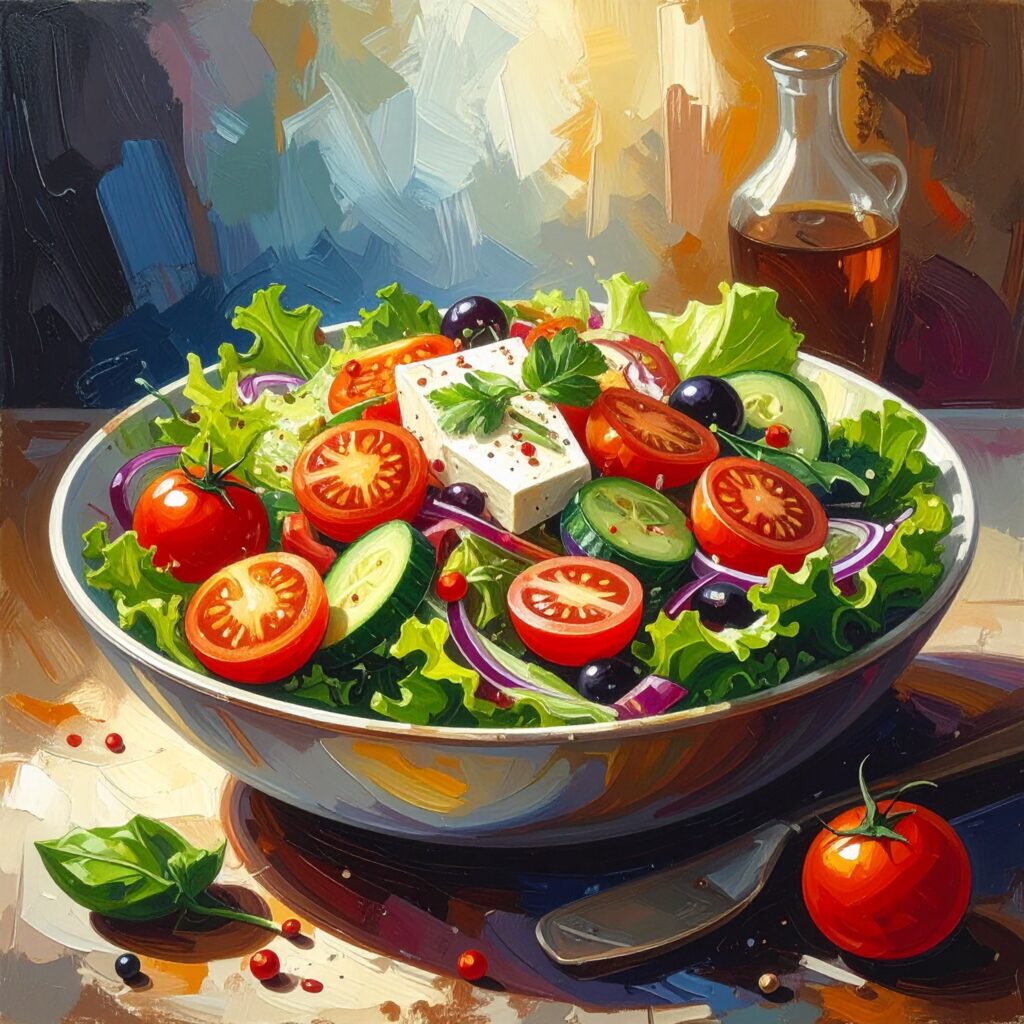
Part 4: Nourishing Foods for Mood
Everyday eating to support calm, energy, and emotional balance
Disclaimer: This article is for education only and is not medical advice. Food can support mood, but it does not replace professional care for depression, anxiety, or other mental health conditions. Always consult a qualified health professional for diagnosis and treatment.
In Parts 1–3 we focused on herbs. In this part, we’ll look at everyday foods that can support:
- More stable energy and blood sugar
- Better production and balance of neurotransmitters (like serotonin and dopamine)
- A healthier gut–brain connection
- Lower inflammation that can affect mood
We’ll also add a simple magical/kitchen‑witch layer, so your meals can double as small, supportive rituals.
We’ll cover:
- Dark leafy greens
- Berries
- Whole grains
- Legumes
- Nuts & seeds
- Fatty fish (or plant omega‑3s)
- Fermented foods
- Dark chocolate / cacao
- Citrus fruits
- Bananas
- Avocado
- Mushrooms
- Olive oil
1. Dark Leafy Greens
Spinach, kale, Swiss chard, collards, beet greens
Why they help mood (holistic & research‑based)
Leafy greens are rich in folate, magnesium, and B vitamins—nutrients that help your body make neurotransmitters like serotonin and dopamine and are associated with lower depression risk.
Key points:
- Folate and B vitamins support production of mood‑regulating brain chemicals. Low folate has been linked with higher depression rates.
- Magnesium helps regulate the stress response and supports sleep and relaxation.
- High fiber feeds beneficial gut bacteria, which are tied to mood through the gut–brain axis.
Easy ways to use:
- Add a handful of spinach or kale to smoothies.
- Sauté greens with garlic and olive oil as a side.
- Toss mixed greens with nuts, seeds, and a simple vinaigrette.
Magical correspondences:
Grounding, renewal, heart strength, connection to Earth.
Simple kitchen ritual:
As you wash and chop greens, imagine rinsing away old heaviness. Silently affirm: “I feed my inner garden; what felt stuck now has room to grow.”
2. Berries
Blueberries, strawberries, raspberries, blackberries
Why they help mood
Berries are packed with antioxidants and flavonoids, which help reduce oxidative stress and support brain health. They have been linked with better mood and cognitive function over time.
Key points:
- Flavonoids can increase beneficial dopamine and serotonin activity in the gut and brain.
- High vitamin C supports the stress response and immune system.
- Low-glycemic sweetness helps avoid mood‑crashing sugar spikes.
Easy ways to use:
- Add to oatmeal, yogurt, or chia pudding.
- Snack on a small bowl of mixed berries.
- Freeze them for smoothies.
Magical correspondences:
Joy, sweetness of life, emotional renewal, youthfulness.
Simple kitchen ritual:
Before eating, pause and look at the colors. Think: “I invite color, sweetness, and liveliness back into my day.” Then eat slowly and savor.
A Word from Our Sponsor: Apply For A Fast Loan
3. Whole Grains
Oats, quinoa, brown rice, barley, whole‑grain bread
Why they help mood
Whole grains are rich in complex carbohydrates and fiber, which help regulate blood sugar and support serotonin production.
Key points:
- Steady blood sugar = fewer mood swings and energy crashes.
- Carbohydrates help tryptophan (a serotonin precursor) enter the brain, supporting balanced serotonin.
- Fiber supports gut health, which is closely linked to mental well‑being.
Easy ways to use:
- Oatmeal with berries and nuts for breakfast.
- Quinoa or brown rice bowls with veggies and beans.
- Swap white bread/pasta for whole‑grain options when possible.
Magical correspondences:
Comfort, sustenance, long‑term stability, emotional security.
Simple kitchen ritual:
As you stir a pot of oats or rice, imagine you’re “stirring in” steadiness. Say quietly: “I choose slow, steady nourishment for my mind and heart.”
4. Legumes
Lentils, chickpeas, black beans, kidney beans, edamame
Why they help mood
Legumes provide plant protein, complex carbs, fiber, folate, iron, and sometimes tryptophan.
Key points:
- Folate and B vitamins support neurotransmitter formation.
- Fiber stabilizes blood sugar and supports the microbiome.
- Plant protein plus complex carbs are great for serotonin balance.
Easy ways to use:
- Lentil soups and stews.
- Hummus or bean dips with veggies.
- Chickpeas roasted with spices as a snack.
Magical correspondences:
Grounded abundance, slow strength, steady building of resilience.
Simple kitchen ritual:
When cooking lentils or beans, think of each one as a tiny “seed of strength.” As they simmer, say: “Layer by layer, I rebuild my inner reserves.”
5. Nuts & Seeds
Walnuts, almonds, cashews, chia, flax, pumpkin & sunflower seeds
Why they help mood
Nuts and seeds contain healthy fats, omega‑3s (especially walnuts, chia, flax), magnesium, zinc, and protein—all important for brain health and mood regulation.
Key points:
- Omega‑3s help reduce inflammation and support brain cell communication.
- Magnesium and zinc are linked with reduced anxiety and improved mood.
- Protein and healthy fats help keep energy and blood sugar more stable.
Easy ways to use:
- Sprinkle on salads, yogurt, or oatmeal.
- Eat a small handful as a snack.
- Make seed/nut butters (almond, sunflower) for toast.
Magical correspondences:
Resilience, protection, long‑term strength, stored energy.
Simple kitchen ritual:
Keep a small jar of mixed nuts/seeds. When overwhelmed, take 3 slow breaths, then eat a small handful, thinking: “I am supported and stabilized. I have reserves.”
6. Fatty Fish (or Plant Omega‑3 Sources)
Salmon, sardines, mackerel, herring, trout; or flax, chia, walnuts, algae oil
Why they help mood
Fatty fish are rich in omega‑3 fats EPA and DHA, which support brain structure and function and are associated with lower rates of depression and anxiety. Plant sources offer ALA, which the body can convert in small amounts.
Key points:
- Omega‑3s help build and stabilize brain cell membranes and support neurotransmitter signaling.
- Anti‑inflammatory effects may reduce depression risk.
- Mediterranean and similar diets high in fish, plants, nuts, and olive oil are linked to better mood outcomes.
Easy ways to use:
- Grill or bake salmon a couple of times per week.
- Add canned sardines or mackerel to salads or toast.
- If plant‑based, use ground flax, chia, walnuts, or algae‑based omega‑3 supplements.
Magical correspondences:
Emotional flow, intuition, adaptability, “ocean” calm.
Simple kitchen ritual:
Before eating, imagine the smoothness of water washing over jagged thoughts. Affirm: “Like water, I flow around today’s rough edges.”
7. Fermented Foods
Yogurt with live cultures, kefir, sauerkraut, kimchi, miso, tempeh, kombucha
Why they help mood
Fermented foods support a diverse gut microbiome, which influences mood‑regulating neurotransmitters via the gut–brain axis.
Key points:
- Gut bacteria help produce and regulate serotonin, dopamine, and GABA.
- Better gut health has been associated with reduced anxiety and depression in some studies.
- Fermented foods offer probiotics plus beneficial acids and enzymes.
Easy ways to use:
- Add a spoonful of sauerkraut or kimchi to meals.
- Drink a small glass of kefir or eat probiotic yogurt.
- Use miso in soups or dressings.
Magical correspondences:
Transformation, inner alchemy, integration of experiences.
Simple kitchen ritual:
As you add a fermented food to your plate, think: “I welcome healthy transformation. What feels stuck can be gently changed.”
8. Dark Chocolate / Cacao (70%+; small amounts)
Why it helps mood
Dark chocolate contains flavonoids, magnesium, and compounds that influence endorphins and serotonin, and is commonly associated with improved mood when eaten in moderation.
Key points:
- Flavonoids support blood flow to the brain and may support cognitive and emotional function.
- Magnesium aids relaxation and stress regulation.
- Small amounts can reduce tension and lift mood.
Easy ways to use:
- One or two squares of dark chocolate as a mindful treat.
- Unsweetened cacao powder in smoothies or “hot chocolate” with minimal sugar.
Magical correspondences:
Pleasure, heart opening, sensual joy, self‑love.
Simple kitchen ritual:
Eat a single square slowly, focusing on taste and texture. Think: “I allow myself small, real pleasures. I deserve sweetness that truly nourishes.”
9. Citrus Fruits
Oranges, mandarins, lemons, limes, grapefruit
Why they help mood
Citrus fruits provide vitamin C, flavonoids, and bright flavor that can improve energy and mood.
Key points:
- Vitamin C supports the stress response and nervous system.
- Flavonoids in citrus have been linked to lower depression risk via gut and brain effects.
- The scent of citrus itself can feel uplifting.
Easy ways to use:
- Slice oranges or grapefruit as a snack.
- Add lemon or lime to water.
- Use zest in dressings and baked goods.
Magical correspondences:
Uplift, cleansing, solar energy, mental brightness.
Simple kitchen ritual:
When squeezing a lemon or orange, imagine “squeezing out” stale, heavy energy. Say: “Fresh light floods my cells and mood.”
10. Bananas
Why they help mood
Bananas provide vitamin B6, potassium, and the amino acid tryptophan, a building block for serotonin.
Key points:
- B6 helps convert tryptophan into serotonin.
- Potassium supports the nervous system and heart.
- Natural sweetness plus fiber offers gentle energy.
Easy ways to use:
- Add to oatmeal or smoothies.
- Eat as a quick on‑the‑go snack.
Magical correspondences:
Happiness, steady mood, gentle sweetness, stability.
Simple kitchen ritual:
As you peel a banana, imagine peeling away a layer of stress. Think: “Underneath the stress, there is still sweetness.”
11. Avocado
Why it helps mood
Avocados are rich in healthy fats, folate, B vitamins, vitamin E, and potassium—all supportive of brain health and stable mood.
Key points:
- Healthy fats help maintain brain cell membranes.
- Folate and B vitamins support neurotransmitter function.
- Stable fats + fiber = more balanced blood sugar.
Easy ways to use:
- On whole‑grain toast.
- In salads or grain bowls.
- Blended into smoothies.
Magical correspondences:
Abundance, creamy comfort, heart healing, self‑worth.
Simple kitchen ritual:
When you slice an avocado, look at the rich green. Affirm: “I allow myself to be richly nourished—body, mind, and heart.”
12. Mushrooms
Shiitake, maitake, cremini, portobello; sun‑exposed mushrooms for vitamin D
Why they help mood
Some mushrooms provide B vitamins, minerals, and vitamin D (especially if exposed to light), which is linked to mood regulation.
Key points:
- Low vitamin D has been associated with depression.
- Mushrooms also offer antioxidants and gut‑supportive fiber.
Easy ways to use:
- Sauté with garlic and herbs as a side.
- Add to stir‑fries, soups, or omelets.
Magical correspondences:
Earth wisdom, hidden strength, resilience in darkness.
Simple kitchen ritual:
As mushrooms cook, think of them as “forest teachers.” Reflect: “Even in dark places, life can quietly grow.”
13. Olive Oil (Extra Virgin)
Why it helps mood
Olive oil is central to the Mediterranean diet, which has been linked in trials to improved depression symptoms and lower depression risk.
Key points:
- Provides monounsaturated fats and polyphenols with anti‑inflammatory and antioxidant effects.
- Supports cardiovascular and brain health, which both affect mood.
Easy ways to use:
- Use as your main cooking or dressing oil.
- Drizzle on veggies, grains, and salads.
Magical correspondences:
Liquid gold, heart flow, blessing, protection, prosperity.
Simple kitchen ritual:
When drizzling olive oil, think of it as pouring “golden light” over your food. Quietly say: “May this meal bless my mind, body, and spirit.”
Putting It Together: A “Mood Plate” Template
When you want a mood‑supportive meal, aim to include:
- 1 leafy green or colorful vegetable
- 1 whole grain or starchy veg (oats, brown rice, quinoa, sweet potato)
- 1 protein (beans, lentils, tofu, fish, eggs as appropriate for you)
- 1 healthy fat (olive oil, avocado, nuts, seeds, fatty fish)
- 1 “color pop” (berries, citrus, bright veggies)
And, if it fits your style, add a one‑sentence intention while cooking or eating—something simple like:
- “May this food help steady my mood.”
- “With each bite, I support my future self.”
Food alone cannot “cure” depression or anxiety, but the pattern of how we eat over time can powerfully influence energy, resilience, and how other treatments work. Combining evidence‑based mental health care with thoughtful, mood‑supportive eating and simple rituals can create a deep, layered foundation for healing.